UAE positions itself as key partner in UK’s $11.4bn green hydrogen expansion at Abu Dhabi summit

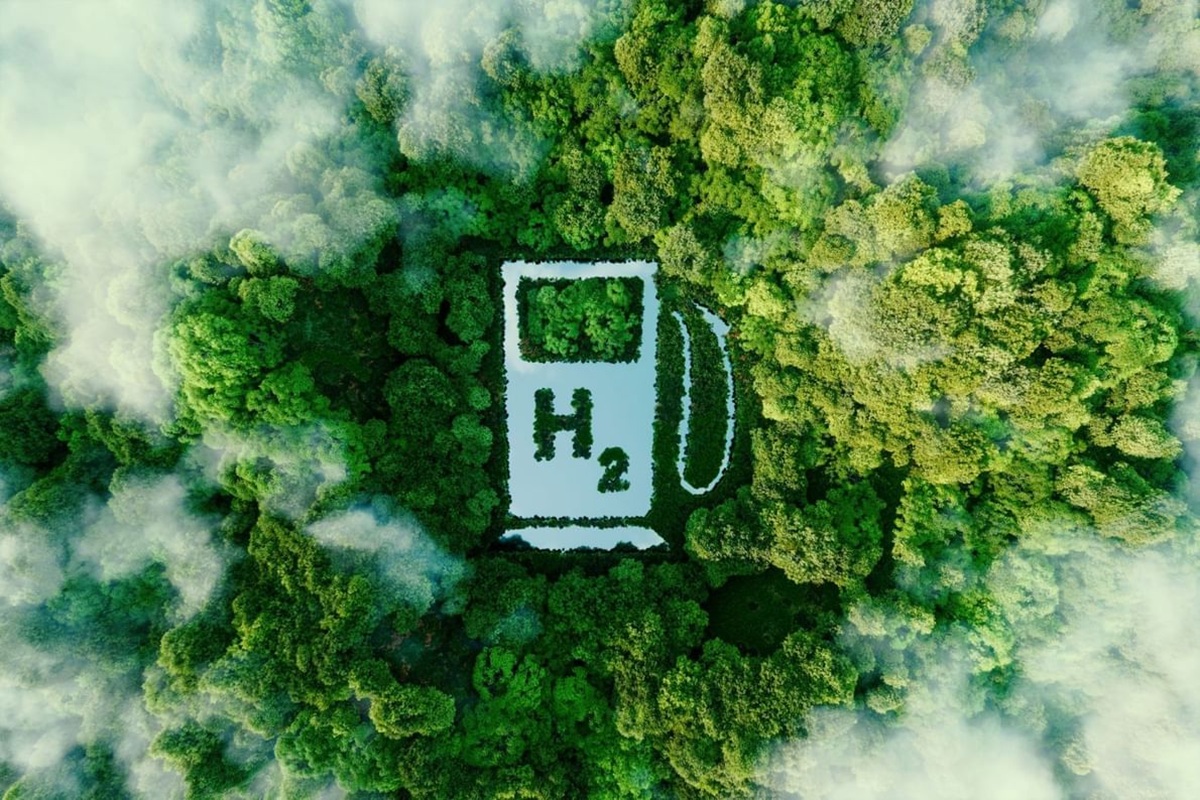
The UAE is positioning itself as a long-term partner for the UK’s green hydrogen strategy, as the World Future Energy Summit opens in Abu Dhabi with a focus on industrial decarbonisation and cross-border cooperation.
Taking place at the ADNEC facility in Abu Dhabi from January 13 to 15 as part of the Abu Dhabi Sustainability Week hosted by Masdar, the conference brings together policy makers, investors and industry leaders from the UAE and the UK to explore how green hydrogen can move from pilot projects to large-scale use.
Against the backdrop of the UK’s desire to scale low-carbon hydrogen production to 10GW by 2030, the conference will demonstrate that the UAE’s expertise in renewable energy and large-scale Carbon Capture, Utilization, and Storage (CCUS) projects can help accelerate the development of the UK’s green hydrogen market.
UAE and UK hydrogen targets
Market analysts note that the initial “hype storm” surrounding green hydrogen has given way over the past two years to a more disciplined segment of the market.
This change has prompted the UK to adopt a more ambitious, low-carbon development agenda that is now firmly embedded in national energy planning.
Sarah Jones, UK Industry Minister, recently confirmed this. “I am sure that hydrogen must be at the heart of our plans to grow the economy and be zero by 2050,” he said. “Already, Government and industry are delivering real projects to kick-start the UK’s hydrogen economy.”
The UAE is well placed to benefit – and fuel – from the expansion of the UK’s green hydrogen industry, building on the long-established strategic relationship between the two countries.
Dr. Carole Nakhle, CEO of Crystal Energy and Secretary General of the Arab Energy Club, who will be speaking at the conference, said: “The UK and the UAE share a long-standing strategic relationship that goes beyond energy, but hydrogen is now a natural extension of that partnership as both countries pursue industrialization and long-term growth.
“After the initial burst of excitement, the hydrogen market has entered a sober and decisive phase, where scale, financial strength, technical expertise, and real long-term commitment will determine who wins.
“For that power to translate into delivery, the UK will need a clear and stable regulatory framework that gives international partners like the UAE the confidence to take capital on a large scale and for decades.”
World Future Energy Summit
A two-part roundtable discussion hosted by the World Future Energy Summit last year concluded that there is “very fertile ground” for deeper UAE-UK cooperation in the development of green hydrogen, with the period from 2026 to 2030 identified as a potential new phase of partnership.
Scaling green hydrogen in the UK from pilot projects to industry-wide integration will require continued investment. UK Government projections show that a further £9bn ($11.4bn) of private sector funding needs to be raised to keep 2030 ambitions on track, mainly through the 27 hydrogen projects that form the next phase of its flagship programme.
By June 2025, the UK Government is committing an additional £500m ($635m) to public funding for hydrogen infrastructure, demonstrating long-term support for the sector.
This presents what industry leaders describe as an undeniable opportunity for the UAE to strengthen its role as a strategic investor. Domestically, the UAE has already committed billions of dollars to expand production capacity at sites including the Ta’ziz Industrial Hub and the gigawatt-scale hub in Khalifa Economic Zones Abu Dhabi (KEZAD).
Internationally, UAE private interests last year committed £18.5bn ($23.5bn) to a green hydrogen and ammonia project in Dakhla, Morocco, with a planned capacity of one million tonnes per year. Public and private capital from the UAE is now ready to flow to the UK, under clear policy signals and a strong pipeline of de-risking projects.
Green hydrogen energy
In an episode of Future Energy Insights, Cornelius Matthes, CEO of Dii Desert Energy, explained the rationale behind the UAE’s drive to build domestic green hydrogen capacity for export.
“The UAE has a target of 1.4 million tonnes per year by 2031, but with many new projects to start, I am hopeful that it will exceed that level, even if not all,” he said.
Reflecting its growing role in the global energy transition, the World Future Energy Summit 2026 will also feature the Green Hydrogen Innovation Hub, showcasing more than 20 startups whose technologies can accelerate adoption and scale-up around the world.
Through systematic planning and close cooperation, industry leaders say the UAE and the UK can align capital, technology and infrastructure to secure the benefits of early deployment of green hydrogen and support rapid industrial rollout worldwide.