The UAE is investing nearly $300bn in people, healthcare and growth under Sheikh Mohammed

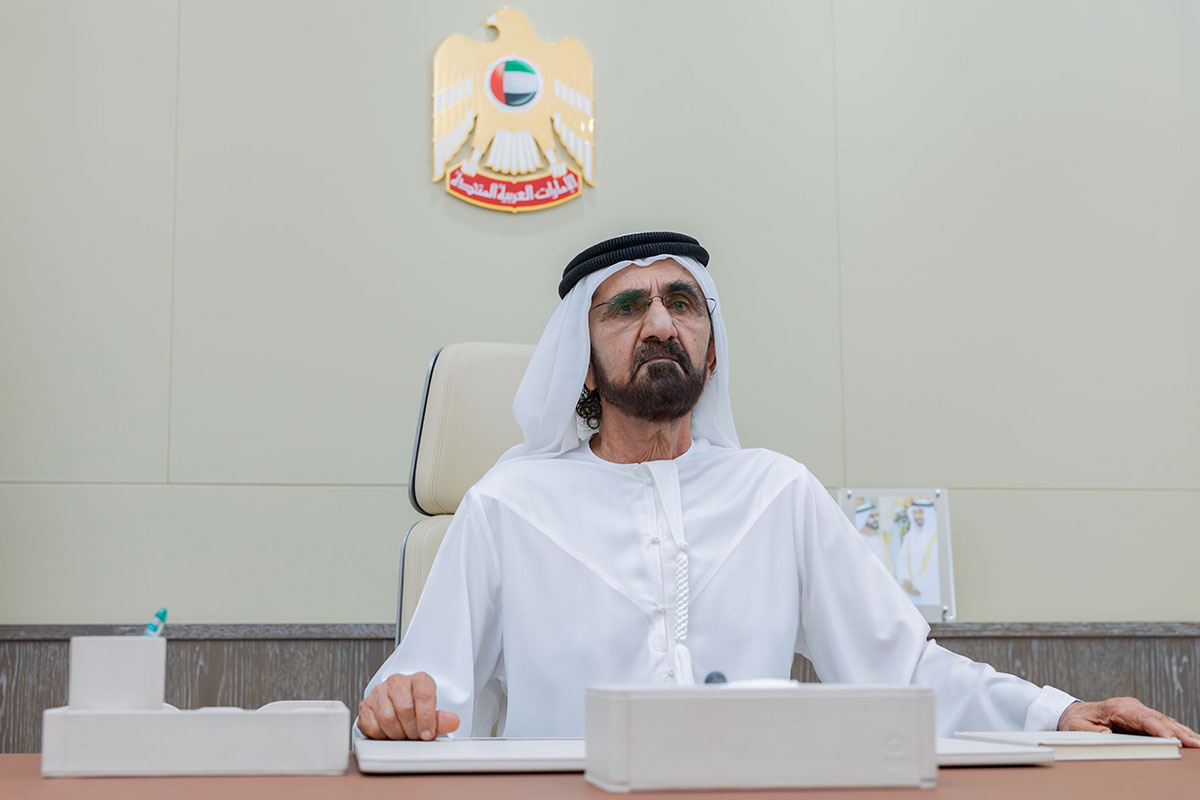
Over the past two decades, the UAE has advanced to leading positions in many global indicators, emerging as an international symbol of effective governance, development, security and stability.
Key to Sheikh Mohammed’s vision has been the development of the human economy, education, health care and housing identified as important factors as the basis of national progress and the formation of public awareness.
Sheikh Mohammed bin Rashid Al Maktoum
Over the past 20 years, the UAE Government has invested more than AED1.1tn ($299bn), with education receiving the largest share of more than AED170bn ($46.3bn).
Government spending on healthcare and social security exceeded AED60bn ($16.3bn), while housing programs for UAE citizens received more than AED55bn ($15bn) to ensure quality housing solutions and services.
Education remains a pillar of government action, supported by policies and programs that recognize its role as the backbone of sustainable development.
The UAE education system today serves more than 1.51 million students in 2,658 public and private schools across the country.
Between 2006 and 2024, the number of schools increased by 36 percent, student enrollment increased by 47 percent, and the number of teachers increased by 195 percent to nearly 150,000.
To align national efforts in education and human development, the Council for Education, Human Development and Community was established as a strategic step in building a sustainable integrated education system.
Education in UAE
The council works to integrate general and higher education, the development of vocational and life skills, to strengthen cooperation between government agencies, civil society and private companies, and to ensure that education policies are closely linked to the needs of the labor market.
Over the past two decades, the education sector has undergone rapid digital transformation, from the integration of classroom technology to e-learning platforms and artificial intelligence-enhanced national curricula.
These programs aim to equip students with future-ready digital skills and transform schools into innovative, interactive learning environments.
Great progress has been made in educational infrastructure, with modern school buildings upgraded to international standards, improving student health and strengthening schools as centers of learning, innovation and extracurricular activities.
At the same time, the UAE has strengthened the role of the Arabic language, Islamic education and national identity within the educational system, ensuring a balance between global openness and cultural roots.
The UAE is home to 150 higher education institutions serving more than 200,000 students. The government’s initiatives to improve quality and competitiveness include the National Framework for the Classification of Higher Education Institutions, which aims to improve international standards, attract international students and researchers, and strengthen the UAE’s reputation as a global knowledge hub.
A new funding system for public higher education institutions has been adopted, which ensures efficiency and relevance to the needs of the labor market by pre-determining study areas and key priorities.
Healthcare in the UAE
The healthcare sector has seen dynamic growth over the past 20 years, supported by progressive legislation and policy changes.
The UAE now hosts more than 5,700 healthcare facilities, which deliver services in line with international best practices. The number of hospitals increased by 145 percent between 2006 and 2024, and the capacity of hospital beds almost doubled.
The number of doctors has tripled to about 35,000, and nurses have quadrupled to about 68,000.
Annual health care costs have increased from AED18.9bn ($5.1bn) in 2006 to AED100bn ($27.2bn) in 2024.
In recent years, the UAE has launched the largest and most comprehensive national genomic program in the world, which aims to advance preventive and personalized health care, strengthen medical research and improve national health security.
This was supported by the establishment of the Emirates Genome Council and the issuance of the first federal law governing the use of human genomes.
Additional legislation includes the Organ and Tissue Donation and Transplantation Law, which promotes ethical, innovative and internationally aligned practices, and the establishment of the Emirates Drug Establishment to regulate medical products and position the UAE as a global pharmaceutical hub.
Over the past two decades, the UAE has undergone a structural transformation towards a diversified, knowledge-based and innovation-driven economy, reducing dependence on oil and strengthening its role as a global hub for trade, investment and finance.
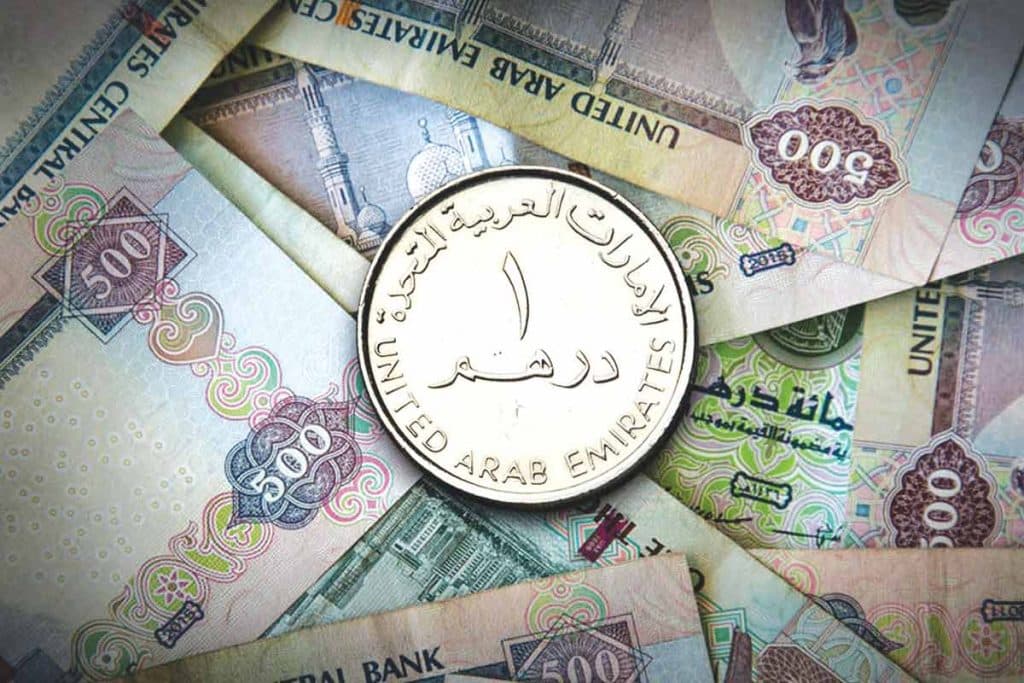
The economy of the UAE
Gross domestic product increased by AED858bn ($233.6bn) between 2006 and 2024, hitting more than AED1.776tn ($483.5bn).
Non-oil GDP recorded growth of 5.7 percent in the first half of 2025, with non-oil activities contributing 77.5 percent of total GDP.
Non-oil foreign trade expanded from AED415bn ($113bn) in 2006 to more than AED2.9tn ($790bn) in 2024, a growth of more than 590 percent.
This operation was supported by the Comprehensive Economic Partnership Agreements (CEPAs) program established in 2021, where 26 agreements involving 53 countries have been concluded.
Oil exports increased from AED29bn ($7.9bn) in 2006 to nearly AED559bn ($152.2bn) in 2024, more than 18 times the AED530bn ($144.3bn), proving the success of the UAE’s diversification strategy.
Foreign direct investment inflows increased from AED47bn ($12.8bn) in 2006 to AED168bn ($45.8bn) in 2024. According to the UNCTAD World Investment Report 2025, the UAE is ranked second in the world in 2024 by the number of new projects in the country’s business environment, which shows the strong confidence of the international business world.
These historic achievements are the result of forward-looking vision and exceptional leadership in which His Highness Sheikh Mohammed bin Rashid Al Maktoum has guided the UAE Government to lay strong foundations for the future – investing in world-class infrastructure, embracing the digital revolution, and opening up new economic sectors including space, advanced science, artificial intelligence, clean energy and the green economy.
Together, these milestones mark a profound transformation that positions the UAE as a global model of concrete leadership and sustainable development, reaffirming the nation’s steady progress towards a new golden age.