Saudi Arabia will officially open the property market to foreigners as long-awaited legislation takes effect

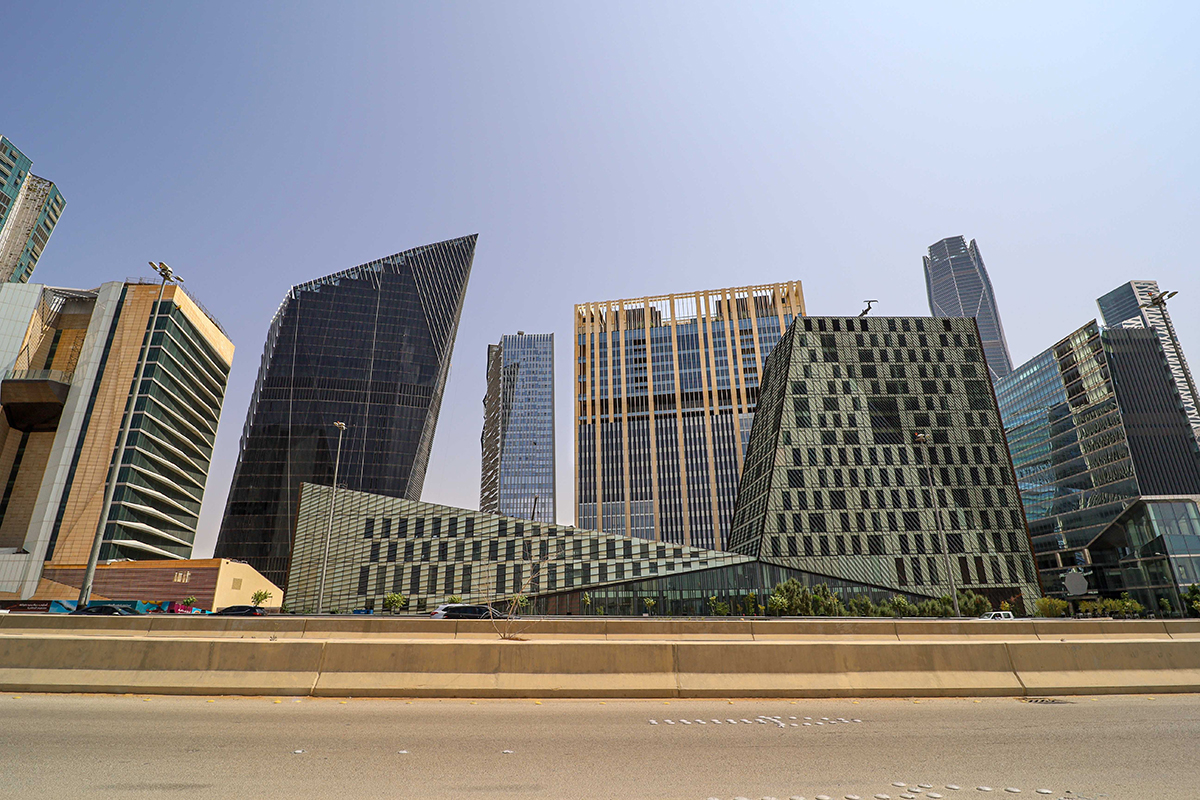
Saudi Arabia this month will officially open parts of its housing market to foreign buyers, bringing in a long-awaited law that allows non-Saudis to own properties in designated areas of the Kingdom.
The new Real Estate Ownership Law for non-Saudis, approved by royal decree last year and published in the official gazette in July 2025, came into effect on January 21 following a six-month transition period. This marks one of the most significant structural changes in the Kingdom’s property market in decades and is closely aligned with the government’s economic diversification agenda under Vision 2030.
Months before the law was officially approved, developers, investors and advisers have been closely tracking its progress, with expectations building that Saudi Arabia will eventually follow other Gulf markets in easing restrictions on foreign ownership. Although foreign investment in Saudi real estate has been permitted in limited ways since 2000, the new law replaces that old framework with clearer rules, broader eligibility and stronger enforcement.
Designated areas and clear boundaries
The essence of the change is the model of the selected area. Under this new law, individuals and non-Saudi entities can acquire ownership, use or other rights over property within certain areas to be identified by the Council of Ministers, based on recommendations from the Real Estate General Authority (REGA).
These areas have yet to be officially published, but are widely expected to include selected districts in major economic centers such as Riyadh, Jeddah and parts of the Eastern Province. Outside of authorized locations, foreign ownership remains limited, subject to unique circumstances.
The law allows non-Saudis to purchase residential, commercial, industrial and agricultural property within designated areas. With the ownership of residences, foreign citizens of Saudi Arabia are given the additional right to own one house to live outside the areas, as long as it is not in the holy cities of Mecca or Medina.
On the contrary, non-citizens can only own properties within designated areas once these have been declared.
The restrictions remain in place in Mecca and Medina. Ownership in the two holy cities continues to be restricted to Muslims, and even under conditions. Foreign companies are generally not allowed to own property in Mecca and Medina, except when Saudi-incorporated companies with foreign shareholders need the real estate for work purposes or housing employees, and when such ownership is permitted under the law and related regulations.
Fees, restrictions and enforcement
The law introduces new financial and compliance obligations for foreign buyers. Property transactions involving non-Saudis are subject to a 5 percent property transfer tax, in accordance with existing Saudi laws, and an additional transfer fee that may bring the combined tax to 10 percent, depending on the structure of the transaction and future implementation regulations.
For certain investment activities, a minimum investment limit of SAR 30 million ($8 million) applies, reflecting the government’s intention to attract long-term capital rather than speculative inflows. All acquisitions must be registered in the national real estate register to be valid, with illegal activities still allowed.
The Act also establishes a law enforcement regime. Violations, including the provision of false information or identities in unauthorized areas, may result in fines of up to SAR10 million ($2.7 million) and, in extreme cases, the forced sale of the property. Oversight is entrusted to a special committee under REGA, with decisions subject to appeal before administrative courts.
Business and institutional access
Foreign companies, investment funds and non-profit organizations are among the main beneficiaries of the new framework. Both listed and unlisted organizations can acquire premises within designated areas to support their business activities, including offices, industrial premises and staff accommodation.
Saudi companies with foreign ownership are treated differently depending on their status. Tadawul-listed firms can own property throughout the Kingdom, including Mecca and Medina, subject to Capital Market Authority regulations. Unlisted companies with foreign shareholders may also acquire property in designated areas and, where necessary for their continued existence, outside of those areas under certain conditions.
Diplomatic activities and international organizations accredited in Saudi Arabia are expressly allowed to own land for official use, subject to approval by the Ministry of Foreign Affairs and arrangements with their home countries.
Total market
The law comes into effect as Saudi Arabia’s real estate market sees a boom. According to CBRE Middle East, the Kingdom’s non-oil economy will account for 56 percent of GDP by 2025, underscoring demand across the residential, office, retail, hospitality and industrial sectors.
Saudi Arabia’s development pipeline is among the largest projects in the world, with approximately 440 billion in committed projects and a long-term pipeline worth $1.55 trillion. Giga projects such as NEOM, Diriyah and the Red Sea development are controlling the supply of the future, while the immediate work is concentrated in Riyadh, which is partly driven by the Regional Headquarters program.
Demand for offices in the capital remains particularly strong. Grade A rents increased by 15 percent year-on-year to 2025, occupancy rates are close to 98 percent, and residential sales grew by nearly 18 percent quarter-on-quarter in the third quarter, reaching SAR 7.7 billion in value.
These trends have been supported by a series of regulatory measures over the past year, including the extension of the White Land Tax to encourage development and a five-year rent freeze in Riyadh aimed at improving affordability.