Saudi Arabia is launching a $2.7bn digital infrastructure with the world’s largest government data centre

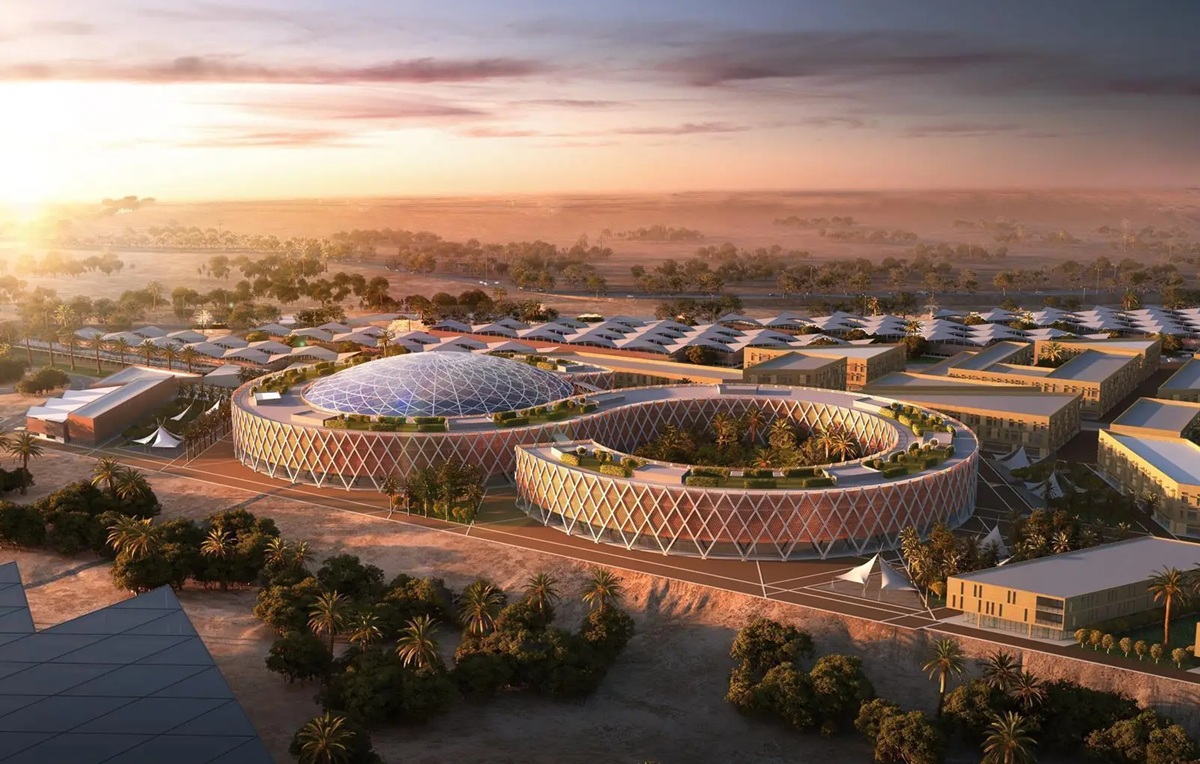
Saudi Arabia entered the global race for digital infrastructure on a large scale with the launch of the Hexagon Data Center in Riyadh, described as the largest government data center in the world and described as Tier IV, the highest international level of reliability.
The Hexagon Data Center aims to use advanced technology to support the Kingdom’s development sectors at a time when data has become the main driver of modern economic and social change.
This program is in line with the national strategy led by the Saudi Data and AI Authority and the goals of Saudi Vision 2030, to put Saudi Arabia at the forefront of countries that use advanced technology for the benefit of people and national progress.
A new government data center in Saudi Arabia
The center reflects the vision of Prince Mohammed bin Salman bin Abdulaziz Al Saud, Crown Prince and Prime Minister and Chairman of the Board of Directors of SDAIA, to establish Saudi Arabia as a global hub for advanced technology.
Developing a strong digital infrastructure has been identified as a strategic need to ensure technological independence over national data while supporting economic diversification beyond oil.
Saudi Arabia already ranks first in the world in several indicators, including the government’s strategy in the Global AI Index.
Data centers have evolved greatly since the early 1950s, when large, climate-controlled rooms were built to house supercomputers.
Their importance accelerated with the rise of the Internet in the late 1990s and increased further following the introduction of cloud computing services in 2006.
By 2020, data centers have become economically important for governments around the world, a trend fueled by artificial intelligence, which requires massive processing power found only in the most advanced facilities. As a result, data centers have reconfigured the concept of economic wealth from limited natural resources to unlimited digital flows.
Saudi Data and the role of AI Authority
Since its establishment in 2019, SDAIA has led Saudi Arabia’s national data and AI agenda, serving as the official authority responsible for data, big data and artificial intelligence, as well as the national reference for regulation, development and implementation.
Within six years, the Kingdom has emerged as a major player in the global digital economy and a leading destination in the Middle East for major international technology companies. SDAIA has built an integrated data ecosystem described as the most advanced in the region, delivering new digital products with significant economic and social impact.
Beyond technology development, SDAIA is overseeing the creation of a comprehensive regulatory and regulatory framework for data and AI.
Key steps include:
- Personal Data Protection Law and its implementing regulations
- Principles and standards for productive AI
- AI Adoption Framework
- Regulations governing the National Register of Controllers
- Application of global best practices for data protection and privacy
National network and economic impact
The Hexagon Data Center is intended as the foundation of a future network of data centers across the country under SDAIA’s strategic expansion plan.
The program aims to meet the growing demand for national digital infrastructure services while ensuring high system availability based on international benchmarks.
The SDAIA strategy targets a cumulative local economic impact of over SR10bn ($2.67bn) from the State’s data centers, in line with annual financial savings of over SR1.8bn ($480m).
These benefits are expected to support the growth of the non-oil economy and improve the quality of life by improving the digital maturity of government services.
Scale and sustainability
The Hexagon Data Center has a capacity of 480 MW and covers more than 30 million square meters. It combines advanced energy efficiency and intelligent cooling technology, including direct liquid cooling and hybrid cooling systems, to achieve optimal performance with minimal energy consumption.
Renewable energy is integrated as an energy source, supporting its classification as one of the world’s largest green data centers built to the US Green Building Council’s LEED Gold standards.
The facility has received international accreditation under the TIA-942 standard, the leading global benchmark for data center engineering.
It also received Tier IV certification, which guarantees fault tolerance and operational availability of 99.995 percent, and ISO/IEC 22237 certification, which guarantees infrastructure sustainability and protection from technical and environmental risks.