Minister Al Marri highlights how the UAE continues to embrace the new economy

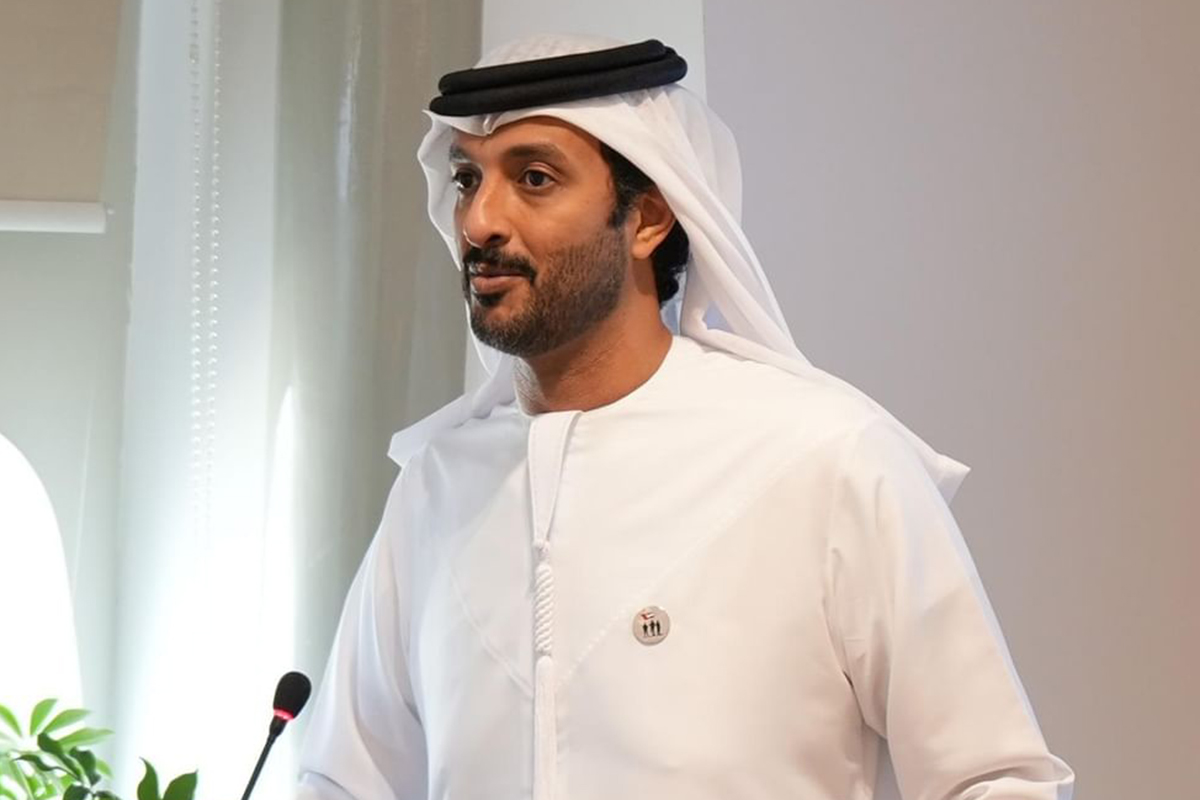
The United Arab Emirates (UAE) continues to advance the new economy as the backbone of sustainable economic growth.
The new economy, including sectors such as artificial intelligence, financial technology, green economy, new media, autonomy and advanced industries, reflects the UAE’s national vision of building a strong and diversified economy led by innovation and supported by national talent, attracting high-quality investment.
This is supported by a set of government policies and programs, flexible laws and improved infrastructure, which strengthens the country’s position as a global business and innovation hub.
The UAE is accelerating its transition to a new economy
Abdullah bin Touq Al Marri, Minister of Economy and Tourism, said the UAE is entering a new phase, moving from an economy based on knowledge and innovation to a new economic model.
Al Marri highlighted the role of the department’s efforts, partnerships and projects in harmonizing and developing new economic sectors in an interview with the Emirates News Agency (WAM). These efforts have contributed to increasing the number of companies and commercial licenses operating in new economic sectors to 56,000 by the end of the first half of 2025.
Al Marri added that cooperation with public and private sector partners is focused on developing effective laws and policies in this area. Ten key policies and laws have been issued or revised, especially the Law on Trading by Modern Technological Means, the Law on the Control and Protection of Industrial Property Rights, the Law on Copyright and the Law on Neighbors’ Rights, and the Law on Commercial Transactions.
Al Marri informed that the work continues with partners to develop the economic cluster of food, which includes agricultural production, food industries and modern agricultural technology.
“The group aims to increase the contribution of the food sector and its related activities to the national GDP, while improving competitiveness and empowering private companies operating in this important sector, which continues to record strong growth,” said Al Marri, adding that the number of registered and active trademarks in this sector reached 40,486 at the end of the first half of 2025.
Al Marri also pointed to the ongoing work of the UAE Regional Economic Council regarding the second package of policies to accelerate the country’s transition to a circular economy model. These policies focus on creating a national green infrastructure roadmap and promoting circular water management in industries.
A total of 22 circular economy policies have been approved and implemented in several areas, including measures to improve waste management and promote recycling of materials throughout the country. These range from implementing increased producer responsibility and developing systems for separating waste from sources in residential, commercial and institutional settings, to establishing a national database of materials and waste and preventing the leakage of plastic and recyclables.
The council’s policies include reducing food loss and waste, promoting sustainable management of agricultural resources, increasing the use of recycled content in consumer goods, managing the life cycle of tires and biodiesel, developing infrastructure for electric vehicles and hybrid charging systems, supporting sustainable aviation fuel, and improving operational lease management and waste oil management.