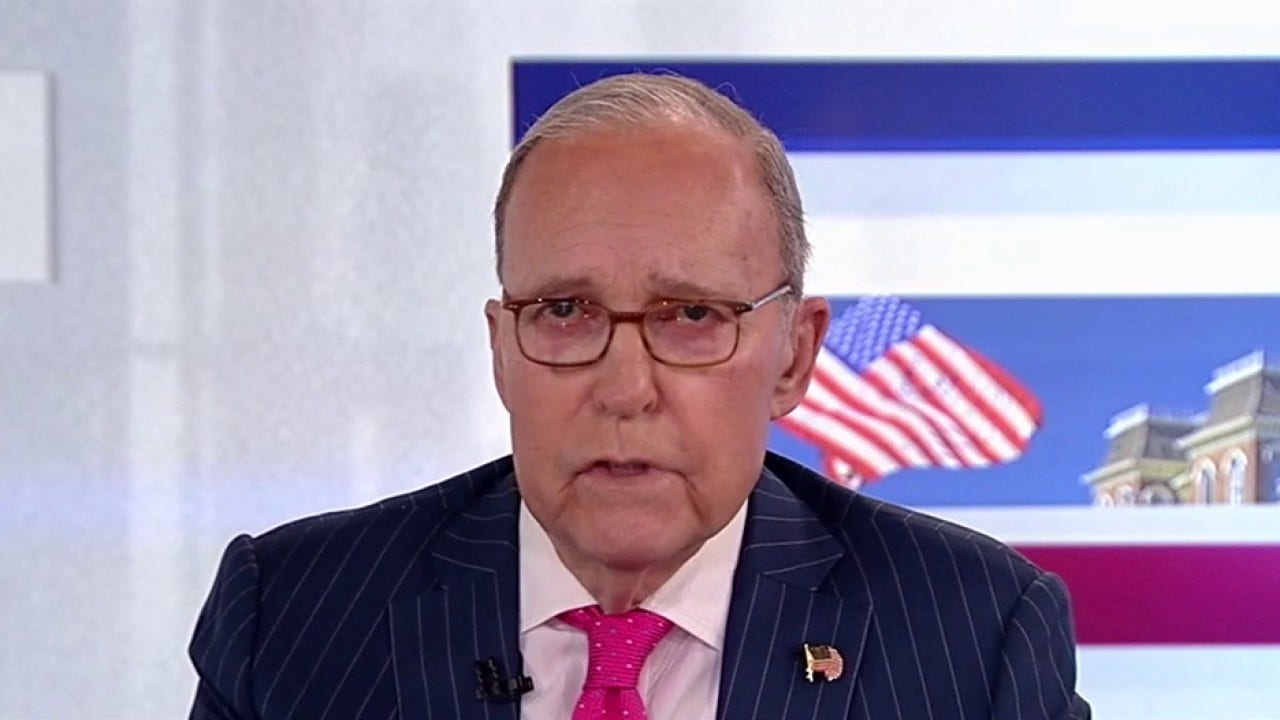
Mastercard’s Prakriti Singh and Raj Dhamodharan discuss the future of digital and crypto payments in the region

Taken for granted, digital payments have become an economic way of life – and the MENA region is rapidly emerging as a global hotbed for the next wave of financial innovation. With inflationary pressures reshaping consumer behavior and regulators embracing fintech disruption, the region is laying the groundwork for the future of digital assets, from stablecoins to token payments.
At the fourth edition of EDGE – Mastercard’s leading payment platform for Eastern Europe, Middle East and Africa (EEMEA), Raj Dhamodharan, Vice President of Digital Asset Production and Digital Partnerships at Mastercard, and Prakriti Singh, Vice President of Core Payments EEMEA, examined the rise of crypto-linked cards, the importance, and importance of digital control. Wallets and tokenization are redefining financial inclusion across the region.
Crypto accessibility and security
As younger consumers drive interest in cryptocurrencies, Mastercard’s goal is to make the experience seamless and secure.
“Once buyers hold stablecoins or crypto, they want to have resources and access to their savings,” said Raj Dhamodharan. “Our goal is to help them access and use their money safely, just like any other currency.”
To meet this demand, Mastercard launched a stablecoin-linked card that allows users to hold crypto or stablecoins and use them anywhere Mastercard is accepted, in 150 million locations worldwide. Raj highlighted that the idea was simply to extend Mastercard’s trusted infrastructure to support the future of digital value.
“It’s a natural extension of what we already do,” explains Raj. “Same network, same trust, but now giving consumers control over new currencies.”
The role of transparency control
Behind every innovation is a framework of trust. Raj stressed that regulatory clarity is critical to unlocking the full potential of digital assets.
“Our aim is not to decide which currency people use, but to empower them to choose, safely,” he said.
Mastercard now enables financial institutions and beneficiaries to pay for transactions in stablecoins, bridging traditional and digital systems in a way that maintains stability and compatibility. “This empowers banks, merchants, and consumers to interact with digital currencies without compromising trust,” he added.
It is this efficient, partnership-led approach that is helping digital assets move from speculation to utility – a critical shift in emerging markets.
Digital heritage trends across the region
For Prakriti Singh, the momentum of digital goods in EEMEA is undeniable.
“We are above the world average in the Curiosity Index when it comes to crypto and digital assets,” he said. “Inflation is driving consumers to explore more value-added stores, while the demand for fast and cost-effective cross-border payments continues to grow.”
Prakriti noted that the UAE’s active regulatory stance has had a significant impact on attracting global fintechs. “Regulators are really dependent. They have created an ecosystem where crypto innovation and payments can flourish,” he added, referring to the role of the Virtual Asset Regulatory Authority (VARA) in setting clear, progressive guidelines.
Mastercard’s vision for wallet integration and tokenization
As the digital ecosystem evolves, Mastercard is focused on building interoperability, connecting traditional accounts, mobile wallets, and digital currencies into one unified network.
“Across EEMEA, we have about 700 million wallets, from mobile money to crypto,” Prakriti said. “Using tokens as the unifying technology, we can connect all forms of currency, whether fiat or digital, to more than 17 million MasterCard acceptance points in the region.”
This approach, he explains, is about financial flexibility. Consumers should be able to choose how they store, send and spend money – while being assured the same level of safety and security regardless of the format.
Border payments
Looking to the future, Raj and Prakriti both shared their excitement about the evolving digital currency landscape and that one of the most promising applications for digital currencies is in cross-border payments.
Raj said Mastercard’s MOVE platform, which enables users to send and receive stablecoins around the world, is seeing strong adoption across markets. “Cross-border remittances will be the next big opening,” he said. “Next to that are SME and B2B payments – all of which can benefit from the speed, efficiency, and cost savings that digital rails brings.”
Prakriti echoed this sentiment, pointing to growing appetite for crypto-linked cards in regions such as the UAE and South Africa. “We’re starting to see what can happen when the fiat and stablecoin ecosystems come together,” he said. “This is where we’re going to see real efficiency unfold.”
Shaping the future of digital payments
With strong consumer appetite, supportive regulations, and advancing technology, the region is poised to play a prominent role in the global evolution of payments. And Mastercard’s continued investment in stablecoins, tokenization, and trusted networks puts it at the center of that transition — where digital value moves as easily and securely as cash does.