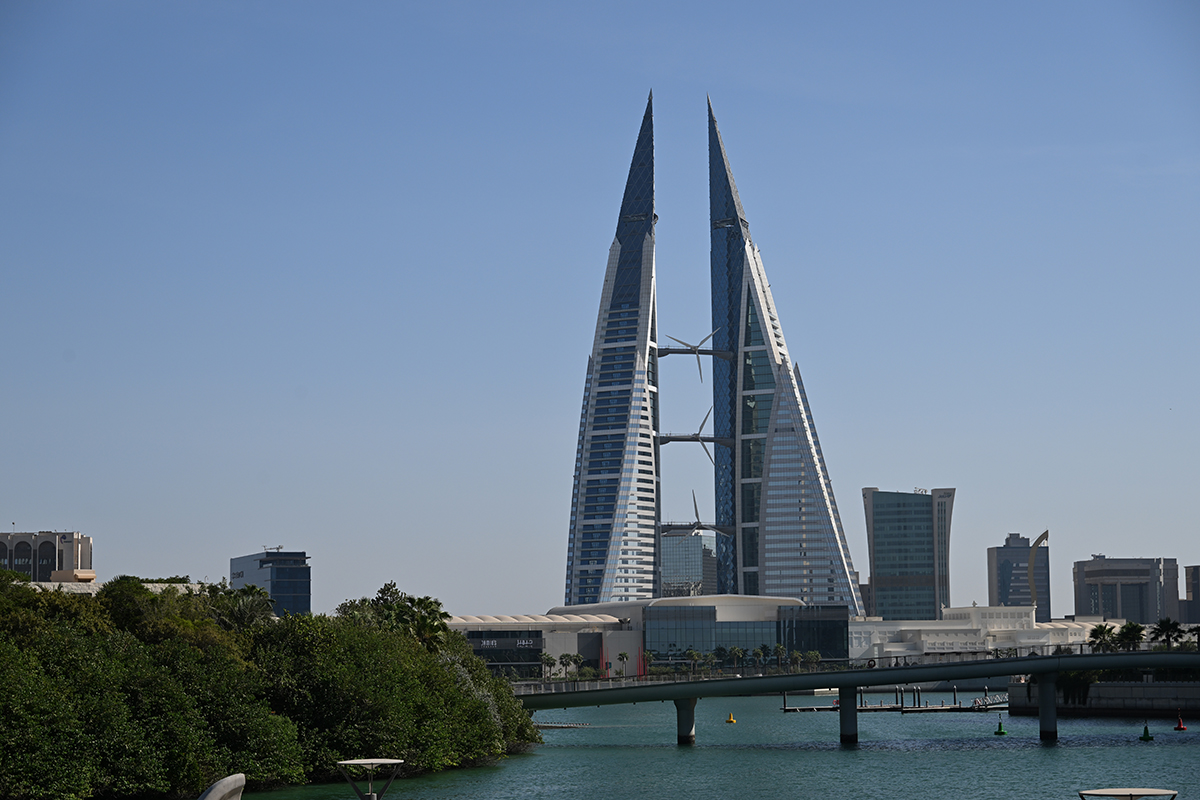
The Kingdom of Bahrain, which was downgraded last month by S&P Global, is taking drastic measures to fix its dire financial situation.
Among several measures taken, Bahrain is increasing fuel prices, increasing electricity and water prices, and increasing benefits from state-owned companies (increasing the contributions of these companies to the general budget of the Kingdom), apart from other fees and taxes.
There are plans to increase the price of natural gas for businesses, as well as reduce government administrative costs by 20 percent, and introduce a new tax law for domestic companies.
Cabinet approves new spending measures
Exact dates for implementing the new measures were not specified.
Following a Cabinet meeting chaired by the Crown Prince and Prime Minister Prince Salman bin Hamad Al Khalifa on Monday, the Government announced a set of measures to curb government spending, raise new revenue and protect key benefits for citizens.
The Cabinet has confirmed that electricity and water prices will remain unchanged for the first and second tariffs for large households, including extended families, but there will be a price change for other categories of users, which will come into effect from January 2026.
The Cabinet has forwarded a draft law to the Legislative Branch to impose a 10 percent tax on the profits of domestic companies whose annual revenue is over BHD1 million (US$2.65 million) or whose annual profit is over BHD200,000 (US$530,570). This law is expected to come into effect in 2027.
The cost of sanitation is also being planned, outside of the main residences of the residents. This will account for 20 percent of water usage costs, and may come into effect from January 2026.
In downgrading Bahrain’s rating to ‘B’ from ‘B+’, S&P Global had said: “The downgrade reflects our view of the risks associated with the government’s large accumulated debt due to persistently stressed financial positions and high fiscal deficits. 2024 and 7.1 percent in our previous review.”
“Furthermore, we predict that the increase in debt will be large, at around 10 percent of GDP by 2025, due to cheap capital expenditures.
“Bahrain remains sensitive to oil prices given that about 55 percent of government revenue and 50 percent of exports are driven by hydrocarbons, although they contribute only about 15 percent of GDP.”
Financial deficits grow over time
S&P Global has estimated that total government debt has increased by about 27 percent over the past four years. Given the large fiscal deficit and the assumption of 3 percent of GDP in off-balance sheet spending, S&P Global estimates that Bahrain’s total debt will continue to grow, reaching 139 percent of GDP in 2028 from 100 percent in 2022 and 118 percent in 2024.
Given the large debt burden, government interest payments are expected to remain high and are estimated to be around 33 percent of general revenue between 2025-2028, up from 21 percent in 2022.
The government has raised US$5 billion in global debt markets this year, fueling investor appetite for its debt, particularly sukuk.
The government of Bahrain and the parliament, the Council of Representatives, have held several meetings to discuss ways to support the public finances, the speaker of the parliament said in a separate statement on December 28.