The UAE has a reputation for real estate investment as Dubai, Abu Dhabi and Ras Al Khaimah drive luxury growth

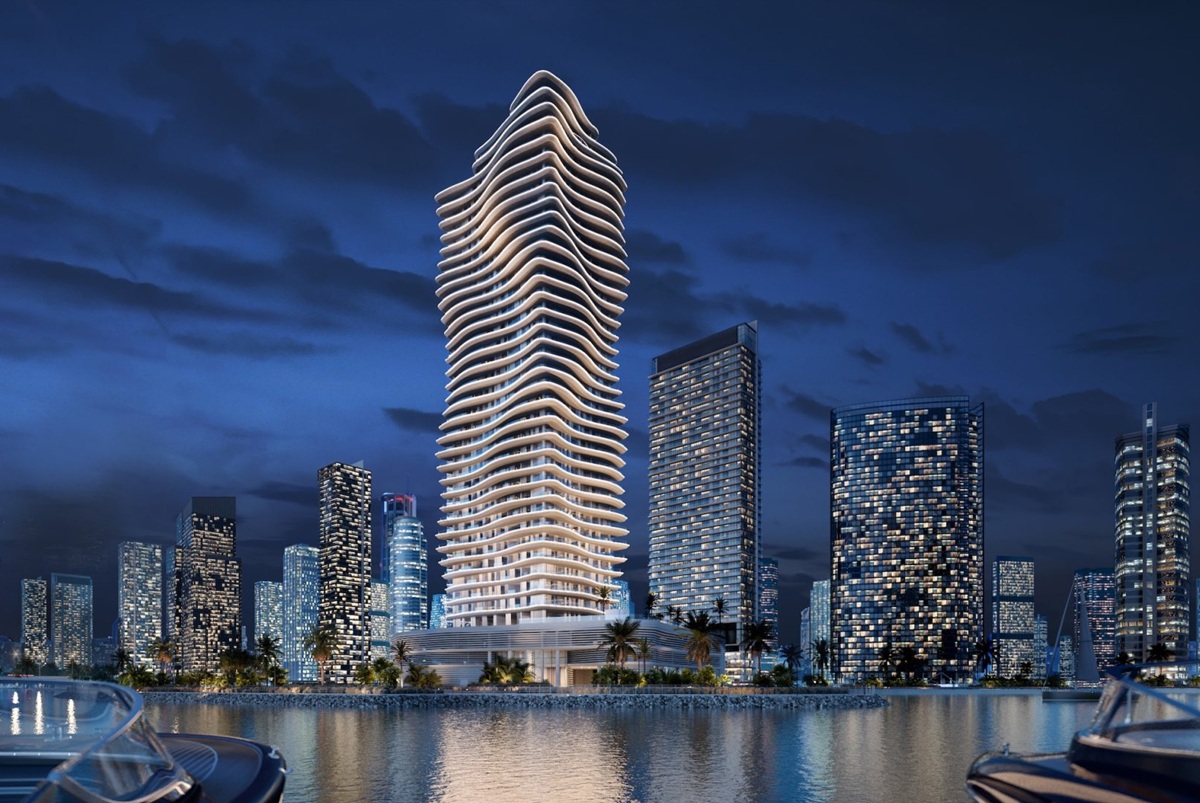
The UAE is consolidating its position as a global destination for luxury living, with branded residences emerging as one of the country’s fastest-growing real estate sectors.
According to a new report from CBRE Middle East, demand is being driven by strong economic fundamentals, international wealth migration and a rapidly growing development pipeline in Dubai, Abu Dhabi and Ras Al Khaimah.
The latest CBRE Branded Residence Report highlights how branded residences have become the property class of choice for high net worth individuals and international mobile investors, offering globally recognized standards of quality, security and luxury.
This trend is supported by continued economic growth, increased investor confidence and the UAE’s status as the world’s leading destination for wealth migration.
Branded real estate in UAE
The UAE economy continues to provide a supportive base for real estate investment, with a forecast GDP growth of 5.3 percent by 2025.
This growth, driven by diversification in the non-oil sector, has been accompanied by record high net worth inflows, bolstering demand for affordable housing.
The report also shows the growing influence of the “Everyday Millionaire” (EMILLI) segment, defined as investors with assets between $1m and $5m.
Branded residences are increasingly attracting both HNWIs and EMILIs, serving as an accessible entry point into the UAE real estate market with reliable products and comprehensive services.
The real estate market in Dubai
Dubai continues to dominate the UAE’s branded residential area. In the first nine months of 2025, the emirate recorded a 26 percent year-on-year increase in transaction volumes and a 51 percent increase in transaction value.
Investors pay an average premium of 64 percent for branded units compared to unbranded properties.
The city’s appeal is driven by brand prominence, lifestyle integration, investor confidence, safe environment and tax benefits.
Although a sales account without a bulk purchase program, branded units ready for delivery are always limited and concentrated in designated areas. Looking ahead, Dubai’s development pipeline includes more than 31,000 landmark units scheduled for delivery by 2030, comprising nearly 8 percent of all new residential space.
Abu Dhabi is known for real estate
Abu Dhabi is emerging as a powerhouse in its own right, with branded residential sales volumes increasing by 126 percent year-on-year by 2025.
The segment commands an average premium of 87 percent of the capital, reflecting both limited supply and strong demand for globally recognized hospitality and lifestyle brands.
Branded residential properties are expected to account for 18 percent of new residential deliveries by 2029, supported by prominent developments in Saadiyat and Yas Islands.
The future pipeline includes more than 2,700 branded units in more than 20 projects, including hospitality and non-hospitality types, which are set to significantly improve Abu Dhabi’s luxury offering and attract foreign investment.
Ras Al Khaimah has a real estate brand
Ras Al Khaimah is becoming one of the fastest growing branded residential markets in the UAE, driven by strong economic momentum and a tourism strategy focused on adventure and natural resources. The emirate has transformed from a value-oriented market to a luxury destination, with the announcement of Wynn Al Marjan Island serving as a key catalyst.
This change has resulted in an increase in construction activity and a significant increase in the residential pipeline. CBRE notes the increasing growth of non-hospitality residential properties in Ras Al Khaimah, indicating a growing market that is attractive to international investors.
Matthew Green, Head of Research at CBRE MENA, said: “Over the past five years branded residential properties have evolved from being largely industrial to a defining feature of the UAE’s luxury real estate landscape.
“With an unprecedented line-up of projects, we expect this sector to play a growing role in shaping the residential market”.