Residential sales in Riyadh hit SAR17.6bn as 57,000 new homes lined up for delivery – report

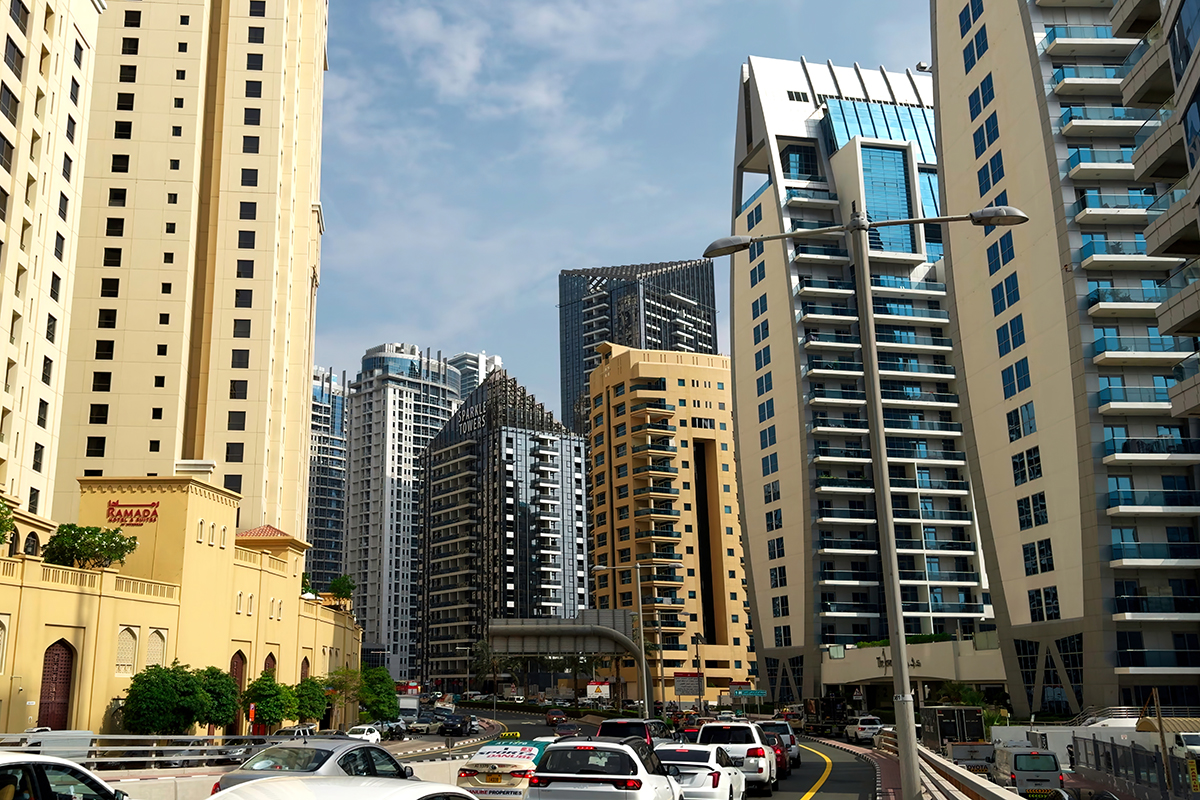
Residential sales in Riyadh reached SAR17.6 billion ($4.69 billion) in the third quarter of 2025, as the Saudi capital prepares to deliver 57,000 new homes over the next two years.
According to data from real estate consultant Cavendish Maxwell, about 13,000 residential sales were recorded in Riyadh between July and September, about 19 percent from the previous quarter.
The city delivered about 10,000 new homes in the first nine months of the year, with another 6,000 expected to be completed in the last quarter of 2025.
Despite the quarterly increase, annual retail activity in Riyadh fell 44 percent year-on-year, reflecting liquidity pressures following rapid price growth last year.
Dammam is doing very well, Jeddah is showing stability
Dammam has emerged as one of the most dynamic residential markets in the Kingdom, recording its highest transaction rates in several years. The Eastern Province city saw about 3,000 sales in the third quarter, up nearly 60 percent from a year earlier and 37 percent from the previous quarter. Transaction values reached SAR3.2 billion.
Jeddah also recorded the highest activity for the quarter, with transactions increasing by 10 percent to 7,500 and sales values increasing by 9 percent to SAR8.7 billion. For the year, however, sales prices in Jeddah fell by 19 percent.
Sean Heckford, director of property consultancy Cavendish Maxwell, said: “Riyadh’s rapid price growth in 2024 has driven strong increases in both sales and rental prices, leading to insolvency pressures and the introduction of a five-year rent freeze.”
Heckford said. “Jeddah has seen price stability and reduced affordability constraints, while Dammam has benefited from lower prices, attracting end-users and investors.”
Residential prices rose in all three cities during the quarter with Riyadh recording the strongest gains.
Average apartment prices in the capital rose 7.5 percent year-on-year to SAR6,160 per square meter, while villa prices rose 10.1 percent to SAR5,500 per square meter. In Jeddah, house prices increased by 1.6 percent to SAR4,360 per square meter and residential properties increased by 3.1 percent to SAR5,140. Dammam recorded an annual price increase of 5.8 percent for houses and 3.2 percent for apartments.
Riyadh is seeing strong rent growth
Rental growth remained strong in Riyadh, with apartment rentals up 11.8 percent year-on-year and residential units up 10.7 percent. Apartment rentals in Jeddah increased by 5.6 percent, while house rentals fell slightly. In Dammam, housing rentals increased by 4.8 percent and rental properties increased by 2.2 percent.
Across Riyadh, Jeddah and Dammam, approximately 13,500 new homes were delivered in the first nine months of 2025. Total completions for the year are expected to reach 22,800 units, with another 105,000 homes scheduled for delivery in 2026 and 2027.
By the end of this year, Riyadh will have added nearly 16,000 new units, compared to 5,000 in Jeddah and 1,800 in Dammam. Over the next two years, Riyadh holds the largest share of future supply, with 57,000 units in the pipeline, followed by 36,000 in Jeddah and 12,000 in Dammam.
The report said regulatory changes are likely to impact market volatility in 2026 and beyond. The new foreign ownership law, which will come into effect in January, is expected to support demand from international buyers, while changes to the White Land Tax are designed to encourage landowners to develop or sell undeveloped plots.
The agency said Riyadh’s five-year rent freeze, announced in September, may improve affordability in the near term but could reduce the incentive for landlords to maintain existing properties or invest in providing new housing, which could put pressure on future development activity.
“Demand remains strong despite affordability challenges, supported by regulatory changes and broader economic fundamentals,” Heckford said.
“Jeddah shows stability, while Dammam stands out as a growth market. Vision 2030 initiatives and infrastructure investments will be key to sustaining momentum in all of Saudi Arabia’s major cities.”